5G is the fifth generation of mobile communication technology that promises to deliver higher data rates, lower latency, and massive connectivity for various applications and services. One of the key features of 5G is the support for Machine Type Communication (MTC), which enables the communication between devices without human intervention. MTC can be used for various scenarios such as smart cities, industrial automation, healthcare, and agriculture.
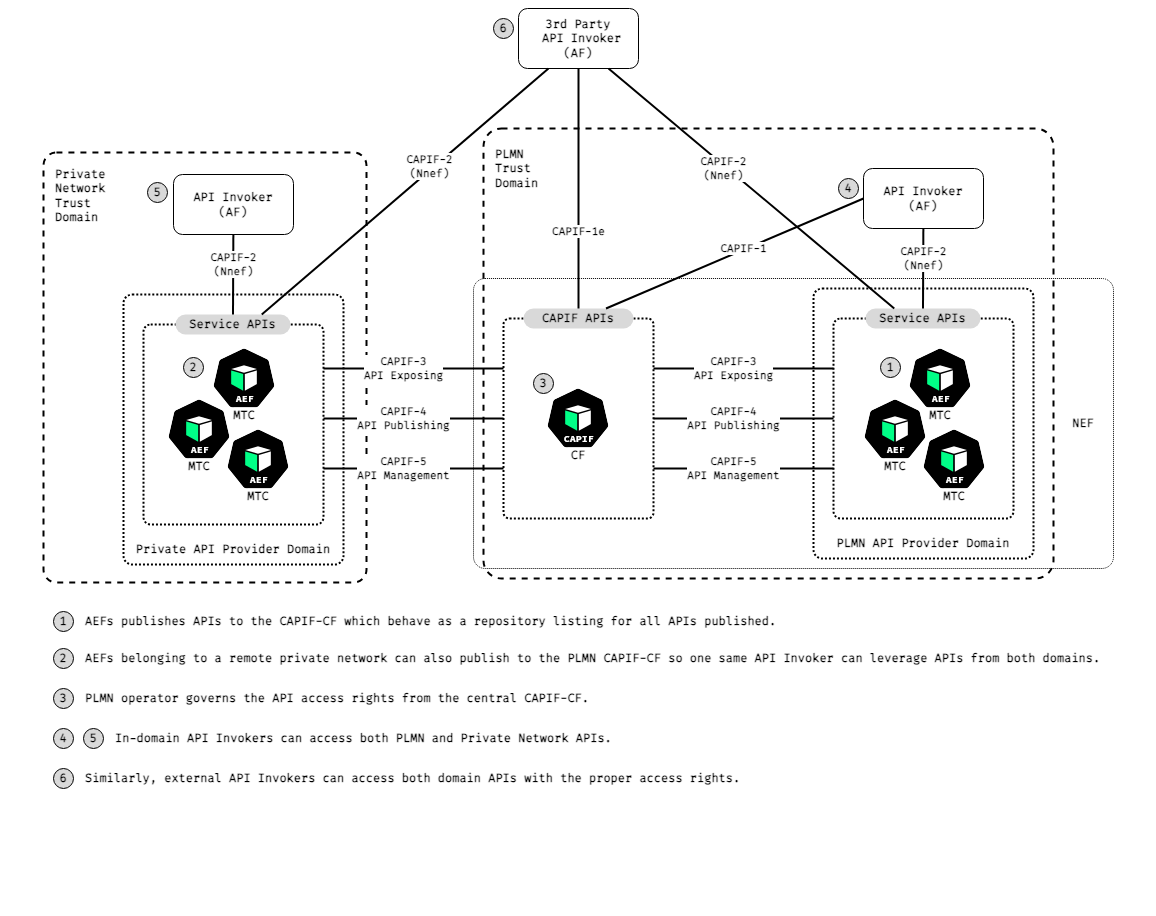
To enable MTC in 5G networks, there is a need for standardized interfaces and protocols that can facilitate the interaction between different entities such as devices, applications, network functions, and service platforms. These interfaces and protocols are collectively known as 5G Northbound APIs (NB APIs), which are defined by various standardization bodies such as 3GPP, ETSI, and oneM2M.
5G NB APIs can be classified into three categories: device management APIs, service exposure APIs, and application enablement APIs. Device management APIs provide functions for managing the lifecycle, configuration, and security of devices in 5G networks. Service exposure APIs provide functions for exposing network capabilities and resources to applications and service platforms. Application enablement APIs provide functions for creating, deploying, and executing applications and services on top of 5G networks.
5G NB APIs are essential for enabling MTC in 5G networks, as they provide a common framework for interoperability, scalability, and flexibility. By using 5G NB APIs, devices can communicate with each other and with applications and service platforms in a seamless and efficient manner. Moreover, 5G NB APIs can enable new business models and value propositions for MTC in 5G networks, such as network slicing, edge computing, and data monetization.